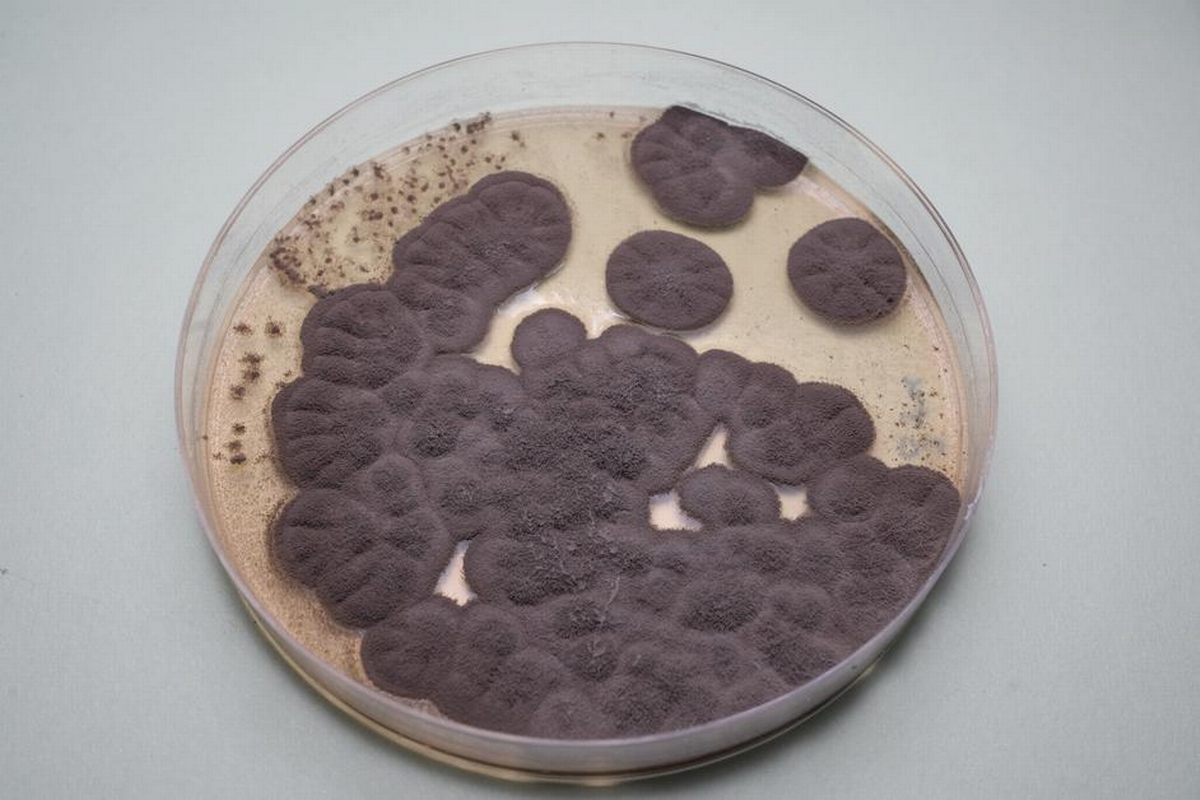
Purple Mold - Is It Dangerous? (And 5 Ways to Deal With It)
Indoor mold infestations are common problems that many homeowners dread encountering. From damp basements to poorly ventilated bathrooms, mold growth can be an unsightly and unhealthy issue. One of the lesser-known yet increasingly common types of mold is purple mold. While it might seem harmless due to its pastel hue, this mold can pose significant risks. If you find unusual mold colors in your home, prompt action, possibly including emergency water removal in Atlanta and beyond, might be necessary to prevent further damage. This blog post aims to unravel the mysteries surrounding purple mold, its potential dangers, and practical ways to deal with it.
Understanding the different facets of purple mold is crucial for determining how it might affect your home and health. Given the right conditions, such as moisture and darkness, purple mold can thrive and potentially lead to respiratory problems, allergic reactions, and even structural damage to property. This article will guide you through essential information about purple mold, offering insight into its dangers and providing practical solutions to manage and eradicate it, ensuring your home is safe.
What Is Purple Mold?
Purple mold, a variation of common mold strains, is less frequently encountered but can be just as hazardous. Mold colors often indicate different strains of fungi. Like other mold types, it proliferates in damp and poorly ventilated areas. It can be found on wood, carpets, or even food if the conditions allow. Purple mold is usually more prevalent in highly humid regions or areas prone to water leaks.
The occurrence of purple mold may signal a deeper moisture issue within the property. If not addressed, it can cause the material it grows on to decay or weaken over time. Moreover, people exposed to its spores may experience health problems, particularly those with existing respiratory issues or compromised immune systems.
It's important to note that while purple mold might not be as widespread as black mold, all molds present potential health risks and should be addressed with urgency. Ignoring early signs can lead to more severe consequences that necessitate interventions such as mold remediation in Atlanta.
Is Purple Mold Dangerous?
The danger associated with purple mold is primarily linked to health and structural damage. Inhaling mold spores can trigger allergic reactions, including sneezing, coughing, skin rashes, and exacerbation of asthma symptoms. Individuals with mold sensitivities or weakened immune systems are particularly at risk.
Beyond health issues, purple mold can also compromise the structural integrity of your home. Over time, mold will deteriorate building materials like wood and drywall, leading to more extensive repairs. Addressing these issues might involve commercial property restoration to eliminate the damage effectively and safely.
Given these potential threats, it's vital to act quickly if you suspect mold growth in your residence. Professional help can ensure that the mold is removed thoroughly and safely, preventing future occurrences and health risks.
Identifying and Locating Purple Mold
The early identification of mold is crucial for timely intervention. Purple mold can be spotted through visual inspections, mainly in areas that have been exposed to moisture. Look for discolored patches of mold on surfaces that have an exposed water source—these might range from a deep violet to lighter lavender hues.
Besides visual cues, a musty smell is often indicative of mold presence. If you've recently experienced water damage from a burst pipe or heavy flooding, the likelihood of mold growth, including purple variants, increases substantially. In such scenarios, services like structural drying could mitigate moisture and help prevent mold proliferation.
Moisture meters and infrared thermal cameras can be used to detect hidden moisture behind walls and floors, revealing mold that has not reached the surface yet. These tools are particularly useful for mold professionals assessing the extent of infestations.
5 Ways to Deal with Purple Mold
There are several steps homeowners can take to manage and remove purple mold. Here's a list of effective methods for addressing this issue:
- DIY Cleaning: For minor infestations on nonporous surfaces, homemade cleaning solutions like vinegar or baking soda can be effective. Mix equal parts water and vinegar, spray it on the affected area, allow it to sit for a few minutes, and then scrub away the mold.
- Increase Ventilation: Improving airflow in your home can help prevent future mold growth. Make sure to use exhaust fans in bathrooms and kitchens, and consider installing additional vents in areas prone to moisture.
- Manage Humidity Levels: Use dehumidifiers to control indoor humidity, especially in basements or crawl spaces. Keeping humidity levels below 60% is ideal for stopping mold growth.
- Repair Leaks Promptly: Fixing leaks in pipes, roofs, or windows as soon as they are detected can prevent moisture buildup. Regular maintenance checks can identify potential leaks early.
- Professional Mold Removal: For extensive mold infestations, it's best to seek professional help. Certified specialists can conduct thorough inspections, determine the mold type, and use advanced removal techniques to ensure your home is mold-free.
Professional Solutions and Prevention
In some cases, mold issues can escalate to the point where professional intervention becomes necessary. Mold specialists have the tools and expertise to safely remove mold, ensuring that there's no contamination during the process. This can be particularly important for sensitive environments like homes with children, elderly residents, or those suffering from health conditions.
Professional mold remediation in Atlanta involves comprehensive steps, including diagnosis, mold removal, and preventive measures to guard against recurrence. Experts might use high-powered cleaning devices, air scrubbers, and specialized cleaning agents to remove mold effectively. Additionally, they can provide valuable advice on preventing mold in the future by addressing potential issues such as ventilation and waterproofing.
Taking Action Against Mold in Your Home
Being proactive is key to maintaining a mold-free environment in your home. Regular cleaning, timely repair of leaks, and controlling humidity levels are simple yet effective steps to prevent mold growth. It’s also important to remain vigilant after any event causing water exposure, such as flooding or broken pipes, which might require water mitigation services to prevent mold onset.
For those in the vicinity, water mitigation services in Gresham Park are essential strategies for homeowners to combat water damage and deter mold development. Such services ensure any residual water is removed and the area is dried thoroughly, preempting the conditions favoring mold growth.
Whether you’re dealing with a small patch or a house-wide infestation, understanding the importance and methods of handling purple mold is paramount. If you find yourself overwhelmed with mold issues, seeking professional help can save you time, money, and peace of mind.
If you're facing mold problems or any sort of property damage, connect with specialists who can deliver targeted solutions tailored to your specific needs. Water Removal Services offers expert guidance and interventions to protect your home from the hidden dangers of mold. Don't wait until it's too late. Contact us now for a safe and healthy living environment.
Recent Posts
-
Basement Humidity Problems? How to Dehumidify the Space Effectively
September 17, 2026
-
Bathroom Baseboard Water Damage and What It Could Mean
September 15, 2026
-
Crawl Space Mold Types and What They May Mean for Your Home
September 09, 2026