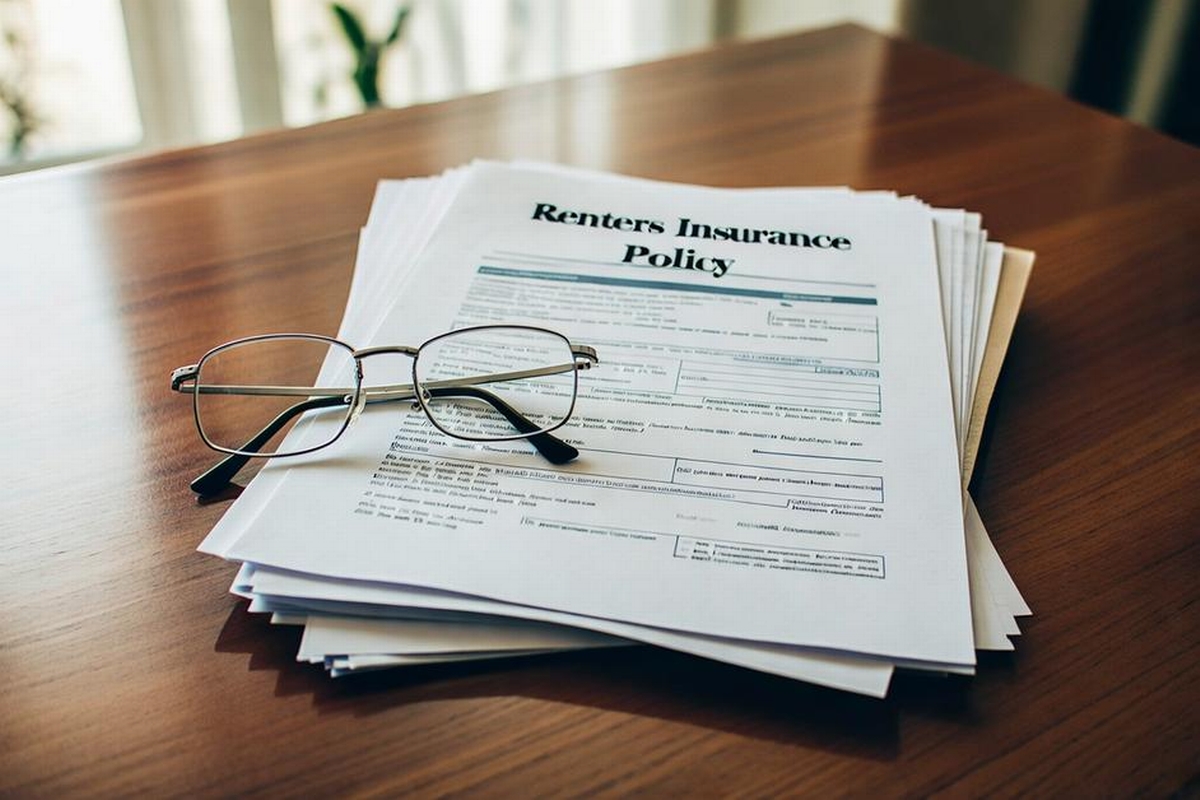
Renter's Insurance and You - What Does It Cover and What You Should Know
In the wake of a severe storm, many renters are confronted with unexpected damages, particularly flooded basements. This predicament often raises a critical question: does renters insurance cover flooded basements? This concern is especially relevant in specific locations like Atlanta, GA, where severe storms are not uncommon. To tackle such situations, many residents turn to water removal services in Atlanta and its nearby suburbs for professional assistance in mitigating the damage.
Renters insurance is generally intended to protect tenants from loss or damage to their personal property within a rented living space. However, the intricacies of what is covered can often be confusing. Many renters do not understand the specifics of their coverage, especially when it comes to natural disasters such as floods. This blog aims to uncover the intricacies of renters' insurance policies, examining their coverage concerning flooded basements due to storms. We'll explore what renters need to know and what other options are available to safeguard against such calamities.
Renters Insurance: Basics and Limitations
Renters insurance policies are designed to cover personal items such as clothing, electronics, and furniture. They also offer liability coverage in case someone gets injured in your apartment. Floods, however, fall under a different category. Natural flooding, whether from a storm or rising groundwater, is typically excluded from standard renters insurance plans.
Understanding these limitations is important. If water enters your basement because your neighbor forgot to close a window or due to a malfunctioning appliance, you may be covered under the standard terms of most renters insurance policies. However, when it comes to flooding from storms or significant rainfall, the picture often changes. It is typically viewed differently, and separate flood insurance is generally required.
The Need for Flood Insurance
To safeguard against flooding, the Federal Emergency Management Agency (FEMA) advises obtaining flood insurance, a separate policy that covers the building and personal belongings in the event of water damage from natural floods. This insurance is crucial for those residing in flood-prone areas. Flood insurance typically covers:
- Structural damage to the building.
- Damage to personal property and belongings.
- Costs related to cleaning and debris removal.
- Temporary relocation expenses if the property becomes uninhabitable.
Understanding whether your current renters insurance encompasses these elements, or if you need additional policies, is an essential step in safeguarding your property and assets.
Why Flooding Isn't Always Covered
Flooding is regarded as a high-risk natural disaster. Insurance companies categorize it separately because flood damage can cause extensive destruction, resulting in costly claims. Most standard renters' insurance policies exclude flooding from natural disasters to minimize financial risk.
Therefore, obtaining a flood insurance policy becomes critical if you are situated in places prone to heavy rainfall or flooding. Renters should be proactive in assessing their geographical risk zones and make an informed decision based on those findings. In urban areas like Atlanta, where severe weather is a possibility, integrating flood insurance can reduce financial strains and provide peace of mind.
Additional Insurance Options
If you are a renter in a storm-prone location, enhancing your insurance protection isn't just advisable, it's crucial. Consider options such as add-ons for flooding if your primary policy provider offers such choices. These additions can help cover the extensive damage floods can wreak on personal property.
Moreover, renters can supplement flood coverage with specialized water backup coverage. Water backup insurance is designed to cover damage from water backing up through drains or overflowing from a sump pump. This can be a practical solution for a basement prone to water ingress, separate from flood coverage.
Steps to Take After a Flood
In the unfortunate event of a flooded basement, there are several essential steps that renters should take to mitigate damage:
- Ensure Safety: Before entering the basement, make sure it's safe. Familiarize yourself with the basic precautionary steps to avoid electric shocks or exposure to contaminated water.
- Document the Damage: Take pictures or videos of the damage for insurance claims. Clear documentation will support any insurance or loss claim you might file.
- Contact Insurance Providers: File claims promptly. Delays can complicate the process and can affect the payout or coverage.
- Seek Professional Help: Contact professional water removal services. Companies can help you navigate the challenging aftermath of flood damage and potentially prevent further harm.
- Prevent Future Damage: Post-flood, consider reevaluating flood defenses like sump pumps or waterproofing solutions.
Professional Restoration Services: Why They're Indispensable
Enlisting expert assistance from professionals, such as those providing water mitigation services in Atlanta and nearby cities, is vital in efficiently addressing flood damage. This expertise ensures proper removal, cleanup, and drying to prevent mold and other structural issues that can arise after water exposure.
Restoration services will assess the extent of damage and create a plan to restore the property. Skilled professionals utilize advanced tools and technology, making the cleanup process more thorough. Decisive action minimizes downtime and helps restore normalcy quickly. Often, restoration companies also offer property reconstruction services, guiding you through the rebuilding phase as needed.
Making Informed Decisions
Renters must scrutinize their insurance coverage and assess the level of risk associated with their geographic location. This strategic analysis allows them to decide whether to invest in additional insurance for protection against floods.
Landlords might also be a valuable resource for information on what coverage is advisable or necessary. Clear dialogue about responsibilities and potential risks to the property can foster better preparation for any eventualities. For renters, investing in mold remediation in areas like Hapeville can be another aspect to consider post-flooding, safeguarding health and well-being within a home.
How Water Removal Services Can Help
Flooding presents multifaceted challenges, from immediate water damage to potential ongoing issues like mold. It's essential to stay proactive in understanding and obtaining the right kind of insurance coverage. Water Removal Services offers a reliable solution for those in Atlanta, GA, contending with storm-related basement flooding. Our dedicated team is equipped to handle various restoration needs, offering you peace of mind during tumultuous times. Whether it's water mitigation services or other comprehensive solutions, we're here to help safeguard your space. Don't hesitate to reach out and secure your home today.
Recent Posts
-
Basement Humidity Problems? How to Dehumidify the Space Effectively
September 17, 2026
-
Bathroom Baseboard Water Damage and What It Could Mean
September 15, 2026
-
Crawl Space Mold Types and What They May Mean for Your Home
September 09, 2026