How Do You Kill Black Mold on Wood Without Causing More Damage?
Black mold is an unwelcome guest in any home, making its presence known through its dark spots and musty smell. It's a common problem, especially in humid environments, and it often appears on wood, which can lead to serious structural damage if left untreated. Perhaps you've dealt with flooding or a leaky pipe - problems that might have necessitated emergency water removal in Atlanta, GA - and now find yourself facing the challenge of what kills black mold on wood without causing more damage. Understanding how to effectively remove this mold while preserving the integrity of your wooden surfaces is crucial for maintaining a safe and healthy home environment.
Black mold, also known as Stachybotrys chartarum, thrives in damp, humid conditions, which makes wooden surfaces a prime target, particularly if those surfaces haven't fully dried after exposure to water. The challenge lies in eliminating the mold without exacerbating the damage to the wood itself. This blog post will guide you through identifying, treating, and preventing black mold on wooden surfaces, offering a step-by-step approach to safely and effectively remove it without causing further harm. By the end, you'll have a solid understanding of what kills black mold on wood and how to tackle this persistent problem.
Identifying Black Mold on Wood
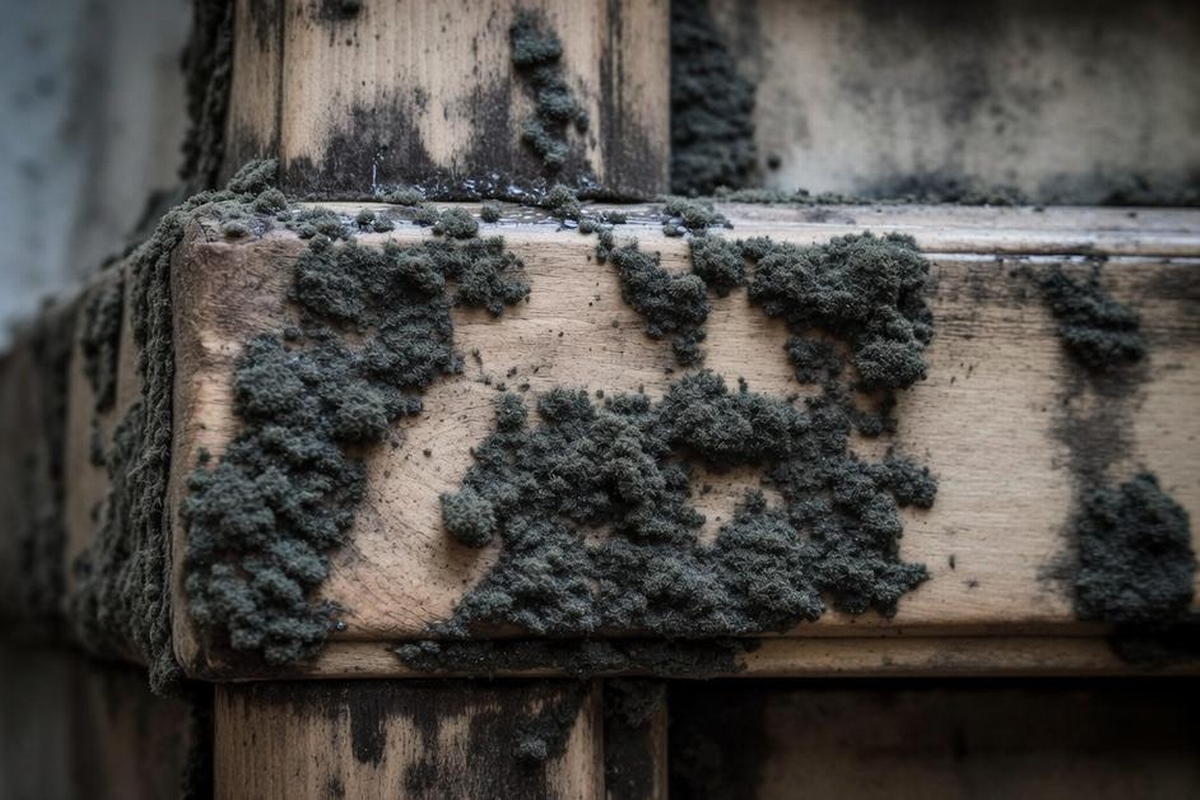
Before taking action, it’s essential to confirm that you’re actually dealing with black mold. The visual identification is your first clue, as black mold typically appears as dark, round patches or specks on wood. The texture may range from slimy to powdery, depending on the moisture levels and duration of contamination. While it’s tempting to jump straight into cleaning, proper identification ensures that you're using the right methods for the right type of mold.
Another sign is the distinctive musty odor emitted by black mold, caused by microbial volatile organic compounds (MVOCs) that not only smell unpleasant but can also have health implications. If you're experiencing allergies, respiratory issues, or headaches indoors, black mold might be the culprit. Be sure to wear protective gear like gloves, masks, and goggles when inspecting areas you suspect may be contaminated. With the correct identification, you can then focus on what kills black mold on wood without worsening wood damage.
Safe Methods to Remove Black Mold from Wood
Natural Solutions
One of the safest and environmentally friendly ways to tackle black mold on wood is by using household ingredients like vinegar and baking soda. Vinegar is acidic and can penetrate porous surfaces like wood to kill mold at the roots. Apply undiluted white vinegar to the affected area, let it sit for an hour, then scrub with a brush. Baking soda mixed with water can also be applied to scrub away mold while absorbing excess moisture.
Commercial Cleaning Products
Various commercial products are designed specifically for mold remediation. These products contain fungicides that can effectively kill black mold. When selecting a product, make sure it’s safe for wood surfaces and follow the manufacturer’s instructions to avoid potential damage. These chemicals can penetrate the wood to eliminate the mold deeply.
Hydrogen Peroxide
Another effective method involves using hydrogen peroxide because it not only eliminates mold but also removes stains. Apply a 3% hydrogen peroxide solution using a spray bottle, allow it to sit for ten minutes, and scrub the area with a brush to remove the mold. Always test on a small area first to ensure it doesn’t bleach the wood.
One List of Precautions:
- Always wear protective gear - gloves, masks, and goggles - when handling mold or cleaning products.
- Ensure good ventilation in the cleaning area to prevent inhalation of mold spores and fumes from cleaning products.
- Use only a small amount of liquid when cleaning wood to avoid soaking the wood further.
- After cleaning, dry the wood thoroughly by increasing ventilation, using fans or dehumidifiers.
- Consult a professional if the mold covers an area larger than ten square feet or if your initial efforts are unsuccessful.
Professional Intervention
For larger infestations or if first attempts prove ineffective, professional mold remediation services may be required. These experts have specialized equipment and training to safely and thoroughly remove mold. Engaging professionals can also help in identifying the underlying moisture issues contributing to the mold growth, which is crucial for long-term prevention.
Water Removal Services offers comprehensive water mitigation services in Atlanta and nearby regions, ensuring that homes are not only free of visible mold, but also safeguarded against future growth. Their team understands the nuances of treating delicate surfaces like wood, offering tailored solutions appropriate for each situation.
Preventing Black Mold on Wood
Control Moisture Levels
Prevention is always preferable to treatment when it comes to mold. Control the humidity in your home by using dehumidifiers and ensuring proper ventilation. Fix leaks promptly and regularly inspect areas prone to moisture accumulation, such as basements and bathrooms.
Seal Wooden Surfaces
Consider sealing wooden surfaces with a moisture-resistant varnish or sealant. This adds a protective layer that can reduce the risk of future mold growth.
Regular Maintenance
Clean wooden surfaces regularly and keep an eye out for early signs of mold, addressing them before they become a more significant problem. Keep indoor plants, which are often forgotten sources of moisture, well-maintained.
Achieve Mold-Free Living Today
Tackling black mold effectively requires understanding what kills black mold on wood while preserving the integrity of the material. By adopting preventative measures and applying the right treatments safely, you can protect your home against this unwelcome invader. It's crucial to pay attention to maintaining your home's environment to reduce the risk of mold recurrence.
For residents in Acworth, GA, experiencing persistent mold problems, professional services like those offered by Water Removal Services can be an invaluable resource. Their expertise in mold remediation in areas like Palmetto is matched by their extensive coverage and more, ensuring you have access to the necessary support no matter where you're located.
Protecting wood from black mold is an ongoing process, but with these strategies and the assistance of professionals when needed, you can maintain a healthy, mold-free home environment. Let Water Removal Services help you live in a safer, cleaner space by ensuring your property is free from water damage and mold growth. Reach out today for their expert guidance and remediation services tailored to your needs.
Recent Posts
-
How Do You Kill Black Mold on Wood Without Causing More Damage?
August 09, 2026
-
How to Clean Smoke Damage on Walls and Ceiling Surfaces
August 07, 2026
-
After Property Damage, When Should You Call a Water Restoration Company?
August 03, 2026