Does Insurance Cover Storm Damage to Trees? What to Check
In the wake of a storm, your property can often be left with significant damage, particularly to the trees that enhance your landscape. Many homeowners find themselves wondering, "Does insurance cover storm damage to trees?" This question is essential, especially for those residing in storm-prone areas like Atlanta, GA, where these natural occurrences are relatively common. Thankfully, with services like water removal services in Atlanta and its surrounding locales, you can minimize the impact of storm damage. But understanding your insurance policy is crucial in determining how protected you truly are against such events.
As a homeowner, you've likely invested in insurance to safeguard your property and possessions. However, navigating the complexities of what is covered, especially concerning tree damage after a storm, can be puzzling. In this post, we'll explore the conditions under which insurance might cover tree damage, the necessary steps you can take, and how services like commercial property restoration in Atlanta can aid in recovery. From deciphering your policy to practical prevention measures, this guide aims to empower homeowners with actionable insights.
Understanding Homeowners Insurance Policies
Homeowners insurance is designed to provide you with a safety net in case of unexpected events like severe weather. However, it's important to recognize that not all policies are created equal. The first step in figuring out "does insurance cover storm damage to trees?" is understanding the specific components of your insurance policy.
Policies and Coverage Nuances
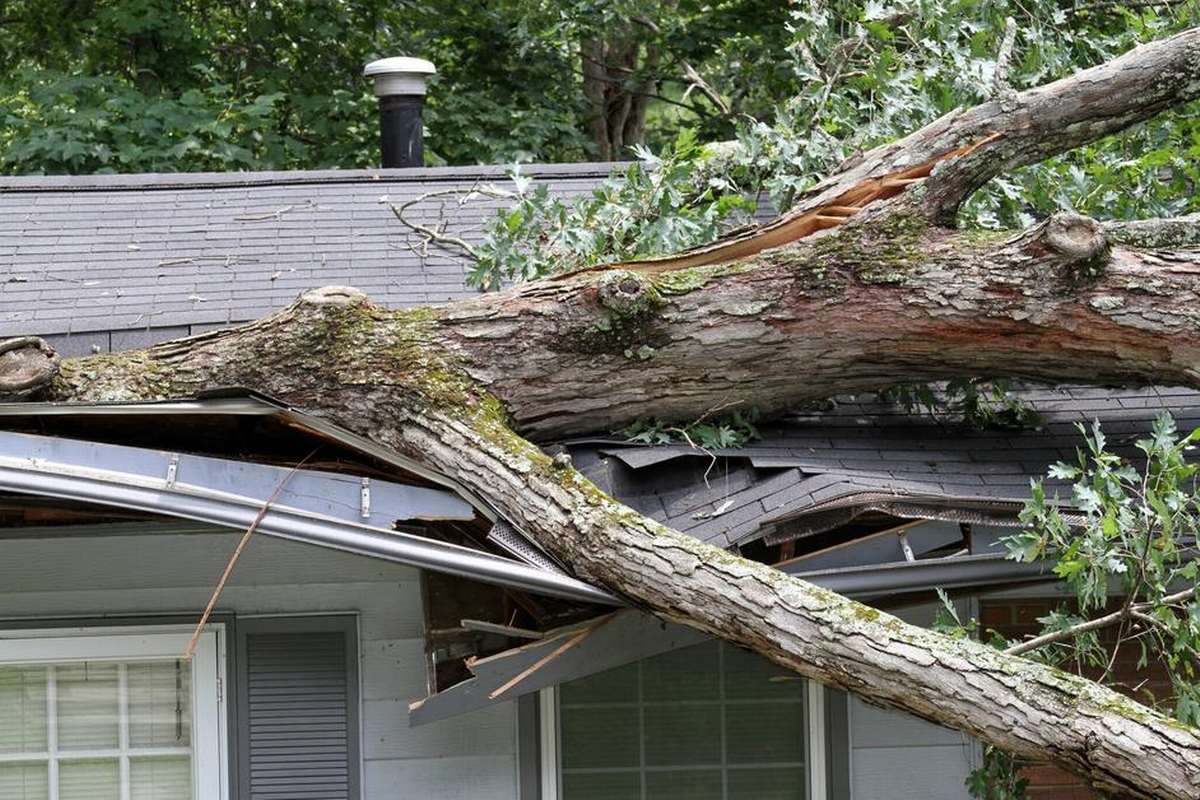
Typically, homeowners insurance policies cover tree damage under certain conditions, such as if the tree falls due to wind, lightning, or hail - the key is that the storm must be a covered peril under your policy. If a tree damages a structure on your property like your home, garage, or even fences, insurance coverage typically applies. However, removing the fallen tree itself is often only covered when it damages such a structure.
Additionally, if a fallen tree blocks a driveway or a ramp for the disabled, your policy might cover the cost of removal. But remember, when it comes to the actual tree itself, compensation for the tree’s value is often limited unless specific plant coverage is included in your policy.
What’s Not Covered?
A critical component of understanding your policy is recognizing exclusions. For instance, if a tree is already dead or weakened and it falls, this is usually considered neglect, making it unlikely to be covered. Moreover, if a tree falls in your yard and doesn’t hit any structures, the cost of removal often falls to you, unless it impedes access. Policies also typically do not cover damage caused by flooding, which leads many homeowners to add additional coverage.
Steps to Take After Storm Damage
When storm damage occurs, acting quickly is imperative to ensure your claim can be processed smoothly and the damage is minimized. Here's a simplified process to guide you:
- Assess the Damage: Safely evaluate the damage. If power lines are down, keep clear and call your utility company immediately.
- Document Everything: Take detailed notes and photos of all the damage, focusing on any affected structures. This documentation will be vital for your insurance claim.
- Contact Your Insurance Provider: Reach out promptly to report the damage. They will guide you on the necessary steps to take and how assessments are conducted.
- Arrange for Temporary Repairs: To prevent further damage, make temporary repairs if it is safe to do so. Keep receipts for any expenses you incur, as these may be reimbursed by your insurance company.
- Schedule a Professional Inspection: Hire experts such as arborists to assess the tree’s condition and professional restoration services for property repairs. This is where water mitigation services in Atlanta can be exceptionally beneficial.
Prevention and Maintenance
Preventive measures can go a long way in reducing the likelihood of storm damage to trees. Regular maintenance includes:
- Pruning and Trimming: Regularly prune trees to remove dead or overhanging branches that could pose a risk during storms.
- Health Checks: Have an arborist assess your trees periodically. They can help identify any potential weaknesses or diseases that might make them more susceptible to storm damage.
- Landscaping Inspections: Consider the placement of new trees. Ensure they are planted far enough away from structures where they won't pose a significant risk if they fall.
By taking these steps, you can strengthen your landscape against the elements, giving yourself peace of mind and potentially reducing claims on your insurance.
When Professional Help Is Needed
Storm damage can often be overwhelming, requiring specialized services for cleanup and restoration. Engaging with experts in fire damage cleanup, property reconstruction, or even water removal is essential when damage is extensive. Professional companies not only have the tools and experience to handle these situations efficiently but can also provide guidance on preventive measures for the future.
Furthermore, structural drying services can be crucial in restoring your home after water damage, preventing further issues such as mold growth. Water mitigation services in Atlanta, GA are vital in ensuring a thorough recovery from storm damage, safeguarding your home's structural integrity.
Final Considerations and Actions
Understanding your homeowners insurance policy and what it covers regarding storm damage to trees is vital in protecting your property and wallet. Ensuring that your policy includes sufficient coverage for potential damages is a proactive step every homeowner should take. The key is to review your policy regularly and communicate with your insurance agent to make any needed adjustments.
For those in areas frequently hit by storms, leveraging local professional services such as mold remediation in Oakwood and its nearby cities can expedite recovery and provide peace of mind. Whether it's assessing the immediate damage, executing repairs, or providing preventive solutions, local experts stand ready to assist.
Homeowners are encouraged to consult with insurance providers to clarify any policy details and engage with restoration services proactively. The next time a storm hits, knowing that you can depend on insurance and expert restoration services can make all the difference. Contact Water Removal Services today to discuss how their comprehensive offerings can support your property’s resilience to storm damage.
Recent Posts
-
Plumbing Leaks and House Insurance: What Is Usually Covered?
October 03, 2026
-
[Drying Guide] How Moisture Mapping for Water Damage Works
October 01, 2026
-
Condo Insurance and Water Damage: Are Leaks Usually Covered?
September 23, 2026