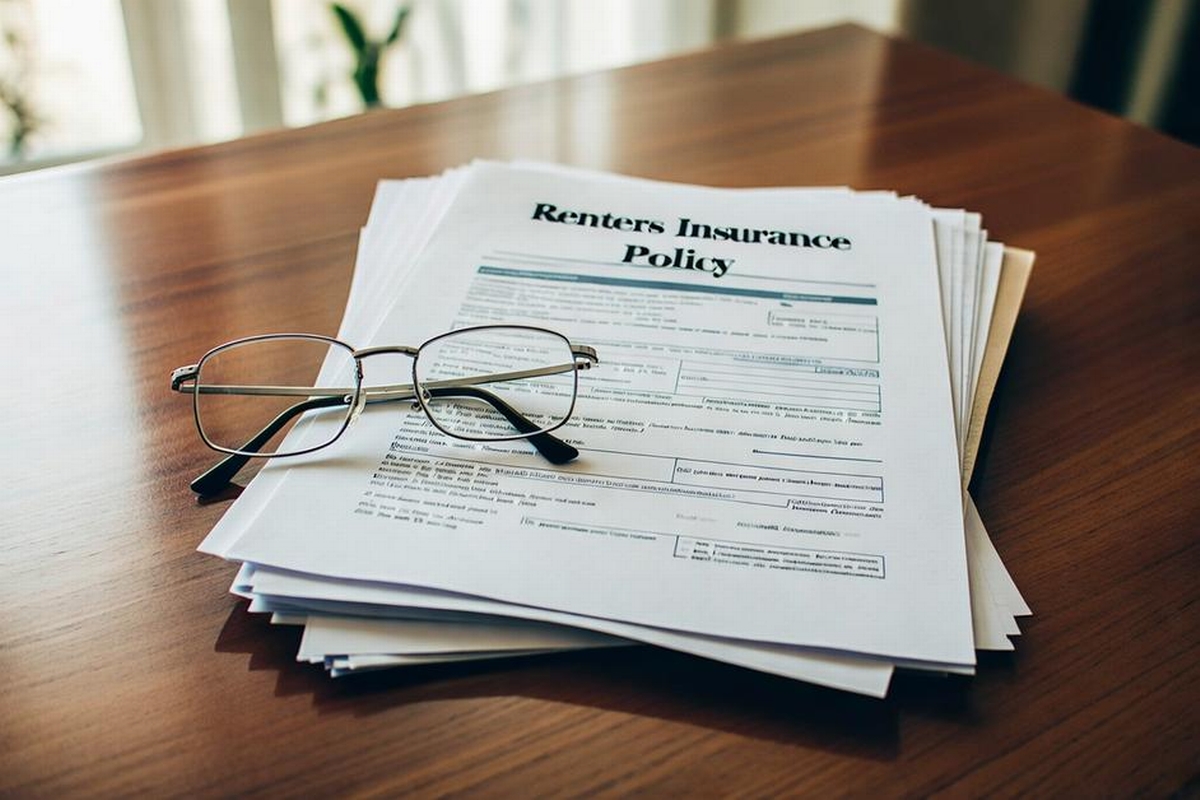
Does Renters Insurance Cover Flooded Basements From Storms?
Flooded basements can be a nightmare, especially when caused by intense storms rolling through Atlanta, GA. With ever-changing weather patterns, the likelihood of experiencing such an event increases. When disasters strike, the cost of repairs and water removal services in Atlanta can be overwhelming. This leads many renters to ask: Does renters' insurance cover flooded basements? In this blog post, we'll explore the intricacies of renters' insurance, the typical coverage it provides, and the essential steps you should take to protect your belongings and finances from storm-related basement floods.
Renters insurance is a safeguard for many tenants, offering protection for personal belongings and liability in the event of damage or theft. However, when it comes to water damage, things can get a bit tricky. We'll delve into what renters insurance typically covers, explore scenarios like storms causing basement floods, and discuss whether such events are included under standard policies. As a resident or renter in a storm-prone area like Atlanta, understanding these distinctions can save you time, money, and a lot of frustration.
Understanding Renters Insurance
Renters insurance is designed to cover personal property and provide liability coverage. Most policies protect against theft, fire, and certain water damages. However, when it comes to flooding, the coverage gets more specific. Generally, floods resulting from internal sources like burst pipes are covered under standard policies. But when dealing with natural disasters, such as a storm-induced flooded basement, the coverage often depends on additional clauses in the policy or separate flood insurance.
Does Renters Insurance Cover Flooded Basements?
In most standard renters' insurance policies, water damage caused by weather-related flooding is not covered. This is a crucial point for renters to note, particularly in storm-vulnerable regions such as Atlanta. Basements are susceptible to flooding during heavy rains or hurricanes, and while internal causes like a malfunctioning appliance might be covered, external flooding generally requires flood insurance. This leaves renters with the pressing question: Does renters' insurance cover flooded basements? In most cases, the answer is no. It reflects the importance of being proactive and considering additional coverage options, especially in areas prone to storms.
The National Flood Insurance Program (NFIP) is often referenced in context with homeowners, but renters can also benefit. This program provides options to purchase policies that specifically cover flooding from natural events. Checking with your insurance provider about these options can prevent unexpected financial burdens. Additionally, being informed about the specific coverage of your current renters' insurance policy is essential. Read through the paperwork and, when in doubt, contact your insurance agent for detailed explanations.
The Importance of Water Removal Services
Following a basement flood, the immediate concern is damage reduction. Even when renters insurance does not cover such events, taking swift action can mitigate the extent of damage. Hiring professional water removal services can be crucial in Atlanta, GA. This service involves not just the extraction of water, but also preventive measures like mold prevention, structural drying, and comprehensive cleanup, all tailored to restore the affected area to its pre-flood condition. Professionals have the expertise and equipment necessary to effectively handle water damage.
Navigating Insurance Claims
Though renters may not find relief through a standard renters insurance policy for flooded basements, understanding the claims process is important. In cases where internal water damage is covered, having a clear inventory of possessions, regular policy reviews, and documented communication with the insurer can streamline the process. It can be beneficial to keep an up-to-date list of belongings and their approximate values, which can serve as evidence in case of claims, potentially expediting the response from insurance companies.
Practical Steps to Minimize Flood Risks
Even if your renters insurance doesn’t cover certain flood damages, proactive measures can significantly reduce potential risks. Consider these strategies:
- Elevate valuable items off floors, especially in basements
- Regularly maintain drainage systems and keep gutters clear
- Use water-resistant materials for basement improvements
- Stay informed about weather forecasts and take preemptive actions when storms are predicted
These steps not only protect your belongings but also enhance preparedness, an invaluable asset in emergency scenarios.
Addressing Mold and Long-Term Effects
After a flood, one of the significant concerns is mold growth, which can begin within 24 to 48 hours. It is vital to act quickly to avoid health hazards and further property damage. Mold remediation services in Atlanta and beyond specialize in safely removing mold, thus preventing structural damage. Seeking such professional services ensures a thorough cleanup and safeguards your living environment against long-term issues like air quality degradation.
Choosing the Right Coverage
Before settling on an insurance policy, compare different options and educate yourself about coverage extensions that may be necessary for your geographical area. Renters in flood-prone zones may find it beneficial to invest in supplemental flood coverage. By doing so, they can protect themselves from the high costs associated with storm-induced floods, and by coordinating with local insurance agents, renters can better understand their options.
Understanding Local Resources
Residents of the Atlanta area can take advantage of local resources dedicated to helping those affected by natural disasters. Local government websites often have updated information on evacuation plans, storm readiness guides, and post-disaster recovery steps, helping you navigate these stressful situations more effectively.
Securing Your Peace of Mind
While understanding the limitations of renters insurance is vital, emphasizing preparation can make all the difference. Consider services like structural drying in Gainesville to address floods swiftly and effectively. Renting might mean living with certain agreed-upon limitations, but it doesn’t mean going in unprepared.
With adequate planning and a proactive approach to renters insurance, you’ll be more likely to navigate the challenges of a flooded basement from storms. If you find yourself sorting through a flooded basement and need immediate assistance, reach out to Water Removal Services in Atlanta, GA for expert advice and reliable solutions tailored to your needs. They provide comprehensive water mitigation services, ensuring all your post-storm requirements are addressed efficiently and professionally.
Recent Posts
-
Basement Humidity Problems? How to Dehumidify the Space Effectively
September 17, 2026
-
Bathroom Baseboard Water Damage and What It Could Mean
September 15, 2026
-
Crawl Space Mold Types and What They May Mean for Your Home
September 09, 2026